

Making your living space more eco-friendly is one of the most effective ways to lower your overall carbon footprint, reduce waste, and build a healthier environment for your household. While grand societal shifts take time, the decisions you make under your own roof deliver immediate benefits for both the planet and your monthly utility bills. Transforming a home into an energy-efficient sanctuary does not require an all-or-nothing makeover overnight. Instead, it is a continuous journey composed of smart upgrades, proactive maintenance, and mindful daily habits that cumulatively lower your resource consumption.
Many home energy efficiency challenges stem from invisible resource drains, such as hidden thermal leaks, outdated appliances, or inefficient mechanical systems that work twice as hard as necessary to deliver basic comfort. By adopting a comprehensive approach that addresses structure, water usage, and indoor climate control, you can create a resilient dwelling that thrives in harmony with nature. This detailed guide covers actionable steps across key areas of the home, giving you a blueprint to lower emissions, conserve water, and make lasting, sustainable improvements.
Enhancing Building Envelope and Insulation

Sealing Drafts Around Doors and Windows
Air leakage is one of the primary culprits behind energy waste in modern residences. When air escapes through tiny gaps around window frames and entryways, your heating and cooling systems must run continuously to compensate. Inspecting the weatherstripping around exterior doors and adding fresh caulk along window trim creates an airtight seal that prevents conditioned air from escaping. If your doors are aged, warp in extreme weather, or lack proper insulation cores, consulting a professional door company can help you choose high-efficiency replacements featuring thermal breaks and energy-rated glass.
Upgrading Attic Insulation and Roof Maintenance
Heat naturally rises, which means an under-insulated attic accounts for a massive portion of winter heat loss and summer heat gain. Installing eco-friendly insulation materials, such as cellulose made from recycled paper or high-density mineral wool, dramatically reduces heat transfer. Furthermore, keeping the top of your home in prime condition preserves the integrity of your insulation. Working with local roofers ensures your roof has adequate ventilation, proper flashing, and durable shingles, which prevent moisture intrusion and reflect heat away from your living space.
Preventing Foundation Leaks and Moisture Damage
A compromised foundation not only risks structural integrity but also ruins basement insulation, creating damp conditions that force dehumidifiers to run non-stop. Inspecting your foundation walls regularly for signs of settling or water intrusion allows you to catch minor issues before they become major environmental hazards. Timely basement wall crack repairs seal out excess ground moisture, preventing mold growth and stabilizing subterranean thermal boundaries. Keeping groundwater out naturally reduces the electrical burden on your indoor climate control units.
Modernizing Heating, Ventilation, and Air Conditioning
Calibrating Central Air and Heating Systems
Heating and cooling consume more energy than any other system in the average home. Regular tune-ups, filter replacements, and duct sealing ensure air flows freely without straining mechanical components. When servicing complex climate equipment, hiring qualified HVAC companies guarantees that refrigerant levels are optimal, combustion efficiency is high, and ductwork is properly balanced. An optimized climate system uses significantly less power to maintain ideal indoor temperatures year-round.
Choosing Smart Thermostats and Zoned Climate Control
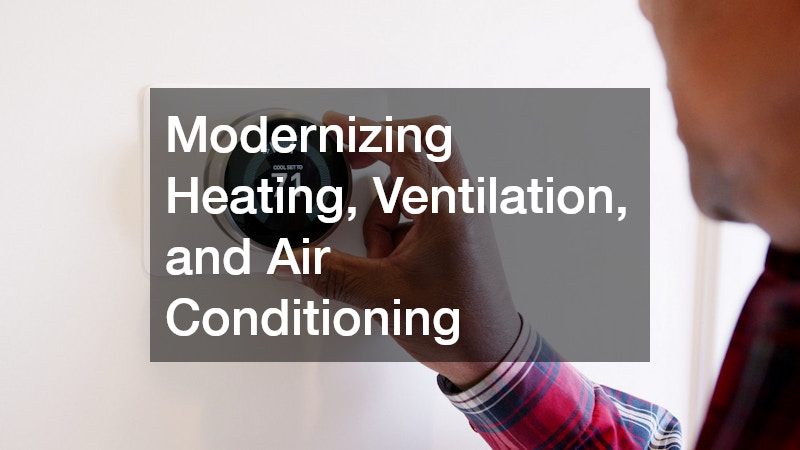
Installing a programmable or smart thermostat eliminates unnecessary heating or cooling when your home is empty. These devices learn your daily schedule and adjust temperatures automatically, preventing energy waste while you sleep or work. Zoned heating and cooling systems take efficiency a step further by directing warm or cool air only to active living areas. Partnering with skilled local HVAC contractors allows you to design a custom zoning configuration that eliminates wasted thermal energy in unused rooms.
Maintaining Proper Air Filtration and Duct Health
Clean air ducts ensure that conditioned air reaches its destination efficiently without encountering resistance from built-up dust and debris. Replacing standard air filters every one to three months prevents fan motors from overheating and drawing excess electricity. Additionally, using washable or high-MERV filters improves indoor air quality without placing an excessive burden on system airflow. Simple duct maintenance keeps your whole heating system running at peak performance.
Embracing Renewable Energy Solutions
Maximizing Rooftop Solar Potential
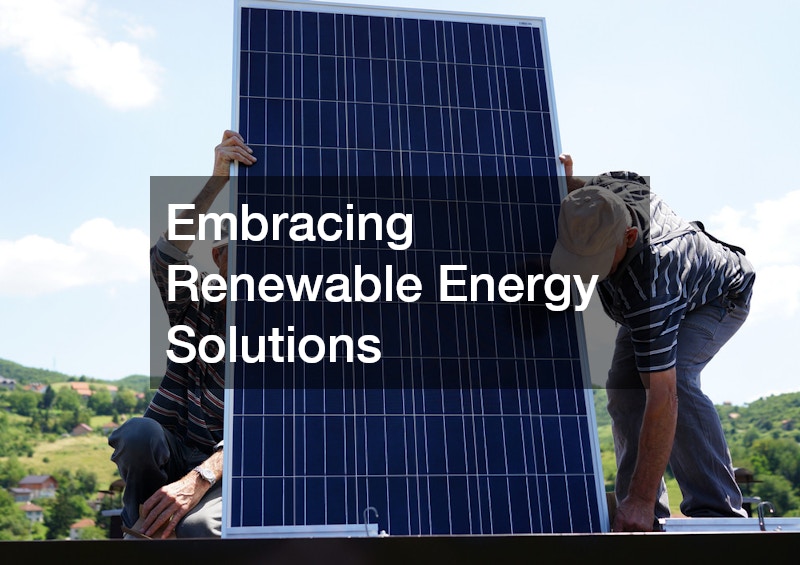
Transitioning away from fossil-fuel-generated electricity is one of the most impactful choices a homeowner can make. Solar panels convert free, abundant sunlight into clean electricity, directly cutting your dependence on grid power. Subscribing to comprehensive solar energy services gives you access to real-time production tracking, routine system maintenance, and battery storage solutions that store excess power for nighttime use. This shift lowers greenhouse gas emissions while insulating your household against rising grid energy costs.
Planning and Executing Solar Array Setup
The success of a residential solar setup depends heavily on proper placement, roof pitch, and electrical integration. Expert technicians assess shading from nearby trees, calculate average daily kilowatt usage, and design custom system layouts. Investing in professional solar panel installation ensures every module operates at peak efficiency and complies with local electrical standards. A properly engineered setup can generate clean power for decades with minimal maintenance.
Utilizing Portable Solar and Micro-Generators
For areas where full-scale rooftop arrays are not feasible, smaller off-grid solar kits offer an accessible entry point. Portable panels can power outdoor lighting, recharge small devices, or run garden water pumps. Integrating micro-solar solutions around your porch, garden, or shed reduces minor electrical draws on your main supply, fostering a habit of using clean power wherever possible.
Optimizing Water Management and Plumbing Efficiency

Protecting the Basement from Water Accumulation
Managing groundwater effectively around your home prevents catastrophic indoor flooding and reduces the need for energy-intensive restoration drying equipment. A dry, well-managed lower level stays naturally cooler in summer and warmer in winter. Investing in professional basement waterproofing creates an impermeable barrier between external groundwater and your foundation, keeping subterranean spaces healthy and energy-efficient.
Maintaining Emergency Water Removal Systems
During heavy storms, a mechanical drainage system is your home’s primary line of defense against flooding. However, an inefficient or malfunctioning pump can draw continuous power or fail when needed most. Scheduling routine sump pump repair ensures the motor operates efficiently, float switches trigger correctly, and check valves prevent water from backflowing into the pit. Keeping these systems tuned prolongs their lifespan and avoids emergency power surges.
Minimizing Water Waste in Bathrooms and Kitchens
Water processing and heating require substantial energy, making water conservation an essential component of green living. Upgrading to low-flow showerheads, aerated faucets, and dual-flush toilets significantly reduces overall municipal water consumption. Fixing minor pipe drips and running dishwashers only with full loads prevents thousands of gallons of clean water from going down the drain unnecessarily every year.
Efficient Water Heating Strategies
Replacing Outdated Tank Water Heaters
Water heaters rank among the highest energy consumers in any residence, operating continuously to keep gallons of water hot. Older models suffer from standby heat loss and sediment buildup that reduces heating efficiency. Investing in a timely hot water heater installation lets you upgrade to high-efficiency tankless models or hybrid heat pump units, which use up to seventy percent less electricity than standard resistance models.
Setting Lower Temperatures and Adding Insulation Jackets
Most water heaters are factory-set higher than necessary for daily domestic tasks. Lowering the thermostat setting on your water heater to one hundred twenty degrees Fahrenheit reduces energy consumption without sacrificing comfort for showers or dishes. Placing an insulated blanket around older hot water tanks and insulating the first few feet of hot water pipes further prevents thermal loss as water travels to your faucets.
Scheduling Tank Flushes and Anode Rod Checks
Sediment naturally settles at the bottom of water tanks over time, creating an insulating barrier between the heating element and the water. Flushing the tank annually removes these mineral deposits, allowing the system to heat water much faster. Checking and replacing the sacrificial anode rod prevents internal tank corrosion, extending the operational life of the unit and delaying the environmental impact of manufacturing a replacement.
Sustainable Interior Design and Furnishings
Choosing Low-VOC Paints and Non-Toxic Materials
Indoor air quality plays a pivotal role in creating an eco-friendly living environment. Conventional paints, stains, and finishes release volatile organic compounds that off-gas for months, degrading air quality and causing health issues. Opting for zero-VOC or natural plant-based paints ensures your indoor air remains clean. Choosing furniture made from reclaimed wood, bamboo, or sustainably harvested timber minimizes deforestation pressures.
Incorporating Natural Lighting and Thermal Curtains
Maximizing natural light reduces the need for artificial lamps during daytime hours. Placing mirrors strategically across from windows bounces natural sunlight deeper into living spaces. To complement day-lighting, hang thick thermal curtains or cellular shades that trap air near the windowpane. Closing these window treatments during hot summer afternoons keeps rooms cool, while opening them on sunny winter days provides free passive solar heat.
Eco-Friendly Flooring Options
Traditional carpeting and synthetic vinyl flooring often involve heavy chemical manufacturing and end up in landfills at the end of their useful life. Sustainable alternatives like natural cork, polished concrete, and rapidly renewable bamboo offer durable, stylish, and non-toxic foundations for your rooms. These materials are easier to clean without harsh chemical sprays, contributing to a healthy home ecology.
Smart Appliances and Electronics Management
Investing in High-Efficiency Home Appliances
Refrigerators, washing machines, and dishwashers have advanced significantly in energy performance over the past decade. Appliances bearing top energy-efficiency ratings use sophisticated sensors to tailor water and power usage to specific load sizes. When replacing old appliances, selecting models designed for high resource conservation ensures daily chores require a fraction of the power and water previously consumed.
Eliminating Phantom Power Draw
Many electronic devices consume power continuously even when turned off, a phenomenon known as standby power or phantom load. Televisions, game consoles, microwave clocks, and laptop chargers draw electricity twenty-four hours a day. Plugging electronics into advanced power strips that automatically cut power when devices are idle prevents this steady drain on power reserves.
Implementing Efficient Laundry Routines
Washing clothing in cold water cleans modern fabrics just as effectively as hot water while saving considerable energy needed for water heating. Air-drying clothes on a line or drying rack entirely eliminates dryer power usage while extending the lifespan of your garments. When using a mechanical dryer, cleaning the lint filter after every cycle ensures optimal airflow and shorter drying times.
Landscaping and Outdoor Environmental Changes
Planting Shade Trees and Windbreaks
Strategic landscaping around your exterior acts as a natural climate control mechanism. Planting deciduous trees on the southern and western sides of your home blocks harsh summer sunlight, reducing cooling demands naturally. In winter, these trees drop their leaves, allowing solar warmth to reach your walls and windows. Evergreen trees planted along prevailing wind directions serve as windbreaks, reducing cold winter drafts against your exterior walls.
Installing Rain Barrels and Permeable Surfaces
Capturing rainwater runoff from your roof provides a free, unchlorinated water source for garden plants and lawn care. Connecting rain barrels to downspouts reduces stormwater runoff that carries pollutants into local streams. Additionally, replacing solid concrete driveways or walkways with permeable pavers allows rainwater to soak directly into the soil, replenishing groundwater tables naturally.
Growing Native Plants and Reducing Lawn Space
Turf lawns require excessive water, synthetic fertilizers, and gas-powered mowing to maintain their uniform appearance. Replacing portion of your lawn with native plants, wildflowers, or drought-tolerant landscaping supports local pollinators like bees and butterflies. Native species adapt naturally to local soil and rainfall patterns, requiring zero chemical fertilizers and minimal supplemental watering once established.
Sustainable Daily Habits and Waste Reduction
Implementing Comprehensive Composting and Recycling
Food scraps and organic waste decomposing in landfills generate methane, a potent greenhouse gas. Setting up a kitchen scrap collector and an outdoor compost bin diverts organic waste from landfills, transforming it into nutrient-rich soil for garden beds. Pair your composting efforts with careful recycling practices, ensuring glass, paper, and metals are cleaned and sorted according to local municipal guidelines.
Reducing Single-Use Plastics and Packaging
Minimizing waste begins before products even enter the home. Choosing bulk grocery items, carrying reusable canvas totes, and avoiding single-use plastic wraps significantly cuts down household garbage. Replacing plastic food containers with reusable glass or stainless steel jars keeps synthetic chemicals out of your food and prevents plastic waste from lingering in soil and waterways.
Practicing Mindful Resource Consumption
Ultimately, the most sustainable items are the ones you already own. Repairing broken items, repurposing old textiles, and buying second-hand goods reduces the demand for new resource extraction and industrial manufacturing. Cultivating a mindset centered on conscious usage ensures that every product, gallon of water, and kilowatt of electricity is used intentionally and without waste.
Transforming your living space into a sustainable home is an ongoing process built on thoughtful upgrades and intentional habits. By addressing structural integrity, modernizing mechanical equipment, embracing renewable energy, and conserving water, you protect natural resources while creating a cleaner, more cost-effective living environment. Every positive modification you make strengthens your home’s performance and contributes to a healthier planet for generations to come. Start with a few simple adjustments today, and build momentum toward a truly green home.