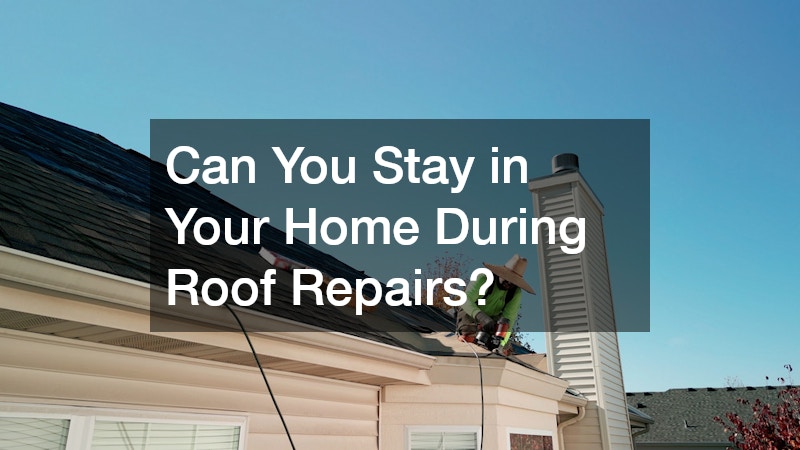

The decision to stay at home during roof repairs hinges on various factors including safety, comfort, and personal preference. This article delves into common concerns and questions homeowners face when considering whether to remain in their homes during roofing work. Understanding these factors can help you weigh the pros and cons effectively.
Roof repairs are inevitable as part of home maintenance, and deciding whether to be present in the home during the process can be challenging. The decision often depends on the homeowner’s priorities such as the need for close monitoring, safety, and convenience.
Whether you decide to stay or relocate temporarily, understanding what’s involved can help ensure a smoother experience.
This article will guide you through various aspects of staying during roof repairs to aid in making an informed decision. Several elements including safety, logistical considerations, and economical factors play roles in this decision-making process. We will explore the advantages and disadvantages to help you optimize your roof repair experience.
1. Is It Safe to Stay Home During Roof Repairs?
1.1 Potential Safety Hazards
Safety is a paramount concern for homeowners when considering staying home during roof repairs. Potential hazards include falling debris, exposure to tools, and the presence of construction materials. It is crucial to assess the extent of the work and the safety protocols followed by the contractors. Homeowners should ensure that contractors have comprehensive liability insurance. By mitigating these risks, staying home can become a safer option.
Awareness of the work schedule and areas under repair can help minimize exposure to safety hazards. Clear communication with the roofing contractor about daily tasks and potential dangers can provide peace of mind. Some homeowners find it helpful to create restricted zones within their home to keep children and pets safe. Consciously planning around the repair schedule can significantly reduce the risk of accidental injuries. Safety must always be a primary consideration.
Contractors often follow strict safety protocols, using equipment like hard hats and harnesses, to protect themselves and minimize hazards to the household. It is vital to check references and reviews of contractors to ensure they are reputable and adhere to safety standards. In some cases, it might be advisable to seek professional advice to understand if staying home poses any significant threat to your household. Proper risk evaluation is necessary when opting to remain inside. Remember, the safety of everyone in the household is crucial.
1.2 Noise Levels and Their Impact
Noise is an almost unavoidable aspect of roof repairs and can significantly impact your comfort. The use of tools like hammers, nail guns, and saws can create a noisy environment, making it difficult for occupants to focus on work or relax. Those sensitive to noise may find it beneficial to use ear protection or noise-canceling headphones. It is also a good idea to discuss the noise levels with contractors beforehand to prepare adequately.
Establishing temporary quiet periods during specific hours might help maintain some normalcy, especially if there’s remote work or study involved. Planning activities away from home during peak noise hours could provide some relief. Understanding when the noise will be at its highest allows for better planning of daily activities. Some homeowners find it helpful to coordinate with contractors to schedule more intrusive work when they are out of the house. Strategic scheduling and flexibility can significantly mitigate noise-related concerns.
Despite the disruptions, staying informed about the repair schedule allows for more precise planning, helping households maintain a semblance of routine. Being aware of what specific work will generate noise can help prepare accordingly, whether it means rescheduling meetings or simply taking a walk while the noisiest work is underway. Open channels of communication with contractors can enhance preparedness and comfort. Recognizing the inevitability of noise ensures that homeowners are better poised to handle it effectively. Your mental peace during the project greatly impacts the living experience.
1.3 Structural Stability Concerns
When undergoing roof repairs, structural stability is another important consideration. Homeowners often worry about the integrity of their home being compromised during the repair process. Generally, reputable contractors assess the structural soundness of your home before commencing repairs, ensuring that there are no potential risks. It is advisable to have your home inspected for stability issues beforehand to prevent any unforeseen problems. Confidence in your home’s structural stability can ease anxiety during repairs.
Structural concerns are rare but should not be overlooked, especially in older homes or in those with pre-existing issues. Assessing the support beams and overall framework is crucial, as roof repair may potentially exacerbate existing problems if not handled correctly. Consulting with a structural engineer can offer reassurance and prevent compromising home integrity. Understanding the scope and nature of your repairs helps gauge any potential structural risks. Involving professionals ensures thorough assessments and informed decisions.
Homeowners staying home can occasionally facilitate the oversight of structural integrity better. Having immediate access to shifts or changes in the property’s shape or sound allows real-time communication with contractors. Quick actions to address potential structural adjustments can avoid larger problems. Moreover, staying knowledgeable on these matters empowers homeowners to spot concerns earlier and more efficiently. With the right precautions, structural stability concerns remain manageable.
1.4 Contractor Safety Protocols
Choosing a contractor that adheres to stringent safety protocols is vital for a trouble-free experience. Such protocols not only protect the workers but also help ensure the safety of the household. Contractors with a good safety track record typically have procedures for securing tools and materials, reducing the risk of accidents. Ensuring the contractor is licensed and has workman’s compensation insurance can safeguard against liabilities. Safety protocols should be an important aspect of the contractor selection process.
Consider discussing the safety protocols with the contractor before starting the project. Understanding measures like equipment setup, restricted access areas, and daily clean-up routines can provide peace of mind for those staying home. Employing contractors who prioritize cleanliness and safety contributes to a more secure environment. A reputable contractor should navigate and implement these protocols seamlessly without causing disruption. Transparency and diligence in safety measures encourage trust and cooperation.
Effective safety measures not only protect the workforce, but also minimize risks to homeowners. Confirm that the work area is organized, with clear paths free from obstacles and falling hazards. Regular updates from the contractor about adherence to safety codes and any potential risks can allow residents to make informed decisions about their presence in the house. Engaging with contractors with proven safety records enhances overall project safety. Homeowners must partner with responsible contractors for successful roof repairs.
1.5 Child and Pet Safety Considerations
Ensuring the safety of children and pets during roof repairs demands careful planning and attentive supervision. Creating safe zones where they can play or rest away from work areas is crucial. Owners should ensure children and pets are kept informed of restricted zones and new routes within the home. Temporarily rearranging living spaces can help keep them entertained without exposure to potential hazards. It is often beneficial to prepare alternative activities like playdates or outings during work hours.
Educating children about the importance of staying clear of the work site is essential to avoid accidents. Supervising pets, or possibly having them stay elsewhere temporarily, can also mitigate risks. Engaging children in safe indoor activities or arranging for playtime elsewhere can minimize disruptions during work hours. Pet owners ought to guard against noise-related anxiety and seek professional advice if necessary. Confidence in these arrangements helps keep the household harmonious and secure.
Some families choose to arrange for temporary care or relocation for their pets during particularly noisy or active work periods. This decision should be weighed alongside the ability to monitor work progress and make prompt adjustments if needed. Providing comfort and quiet zones for pets can alleviate stress and anxiety, ensuring their well-being. Communication with contractors enables proactive steps to safeguard pets and children from construction-related risks. Safety ensures an unhindered, smooth roof repair process.
2. How to Prepare Your Home for Roof Repairs?
2.1 Protecting Interior Spaces
Preparing your home interiors for roof repairs is crucial to protect your belongings from dust, debris, and potential damage. Remove valuables from walls like paintings and fragile decorations near the ceiling, as vibrations can cause them to fall. Utilizing drop cloths over furniture can safeguard against particulates that may fall during the repair process. Ensuring proper ventilation in living spaces can help reduce dust accumulation. Taking these simple steps can minimize cleanup efforts and preserve your home’s interior during repairs.
Beyond physical protection, consider storing sensitive electronics and equipment in a safer location. Precautionary measures like these ensure that any unintended impacts, such as falling debris, do not complicate post-repair organization. Also, checking air filters regularly during and after the repairs can maintain air quality standards. Preparing your home with these approaches can boost its resilience against construction impacts and provide peace of mind. Protecting your living space is important for comfort throughout the project.
Using dust barriers or plastic sheeting in doorways prevents particles from entering unaffected areas of the house. Designating specific entry and exit points for contractors minimizes the exposure of living spaces to dirt and foreign material. Such measures, coupled with regular cleaning, promote a sense of normalcy even amidst ongoing construction. Proactive steps in interior preparation not only protect but also help maintain a comfortable living environment. Detail and planning alleviate repair-induced inconveniences inside the home.
2.2 Safeguarding Exterior Property
Protecting the exterior of the home during roof repairs is as critical as interior preparation. Moving vehicles, outdoor furniture, and decor away from the work area can prevent accidental damage. Using tarps to cover plants and shrubbery helps shield them from falling debris and dust. Moreover, it is advisable to keep pathways clear for contractor access, reducing the traffic impact on landscaping. Preserving your home’s exterior during repairs is essential for minimizing project-associated disruptions.
Communicating with contractors to comprehend where construction materials will be placed ensures strategic planning in item relocation. Additionally, marking delicate areas needing extra protection can foster awareness avoiding unnecessary damage. Scheduled briefings about daily repair activities help adjust protective measures where and when necessary. Employing these strategies ensures that landscapes and outdoor spaces remain intact, preserving their aesthetics throughout the repair process. Consideration helps uphold the home’s outdoor integrity during construction activities.
Frequently evaluating protective barriers and moving items back into place after the workday can keep the home looking well-maintained. Keeping a checklist of the areas to assess contributes to an organized approach when protecting exterior spaces. Homeowners should feel empowered to express any concerns or observations regarding exterior conditions with the contractor. Recognizing the importance of safeguarding the home’s exterior ensures preparedness and contributes to a globally smooth repair experience. These steps preface an effective strategy against potential exterior disruptions.
2.3 Communicating with Contractors
Effective communication with contractors is pivotal in ensuring the roof repair process unfolds seamlessly. Homeowners are encouraged to establish clear expectations regarding work timelines and safety measures before work commences. Knowing who to contact in the event of an issue and addressing queries promptly can help facilitate better coordination. Inquiring about specific concerns, such as waste disposal and working hours, eliminates misunderstandings that could arise during repairs. This can lead to a more efficient work schedule with fewer surprises.
Open discussions with contractors about your presence during repairs help set realistic expectations for both parties. Clarifying project details such as duration, materials used, and potential disruptions can manage expectations effectively. Documenting agreements in writing, including a contract that references milestones and responsibilities, enhances accountability and understanding. Such records promote a harmonious working relationship, with consideration of your situation, maintaining the project’s timeline. A clear line of communication avoids unnecessary obstacles and facilitates transparency throughout the duration of the work.
Bi-weekly or weekly updates from contractors on the progress of repairs keep homeowners informed and ready for next step preparations. Reviewing the project’s phase completion allows for proactive decision-making and addresses modifications promptly. Documenting interactions helps address any disputes swiftly and promotes accountability among all parties involved. Open dialogues nurture a collaborative environment that fosters understanding and mutual respect, ensuring successful project completion. Robust communication characterizes a healthy contractor-client relationship critical for roof repair success.
2.4 Creating a Temporary Living Plan
Planning for temporary living spaces during roof repairs can enhance comfort if certain rooms are inaccessible. Designating specific areas as living, dining, or workspace can maintain functionality without extensive disruption. Even temporary setups can be comfortable. Strategically mapping new zones assists in maintaining everyday routines and reduces the upheaval effects of ongoing repairs. Organization and adaptability contribute to utilizing available spaces efficiently during construction.
Using portable furnishings, like folding chairs or tables, can quickly adapt spaces to daily needs, such as meals or working. These portable options allow you to easily reclaim space once repairs are complete, ensuring minimal setup time. It’s essential to plan temporary living solutions from the outset of the repair process, adjusting as needed. Keeping essential tasks or entertainment options easily accessible also helps ensure that temporary arrangements meet all needs. Adapting with flexibility is crucial when optimizing living arrangements during repairs. Coordination enables smoother functionality and movement within your home.
In multi-story homes, minimizing trips between levels can ease daily routines when navigating construction areas. Arranging for kitchen or bathroom essentials nearby reduces inconveniences, ensuring functional capability remains. Complementing these solutions with consistent methodology aids in preserving routine and quality of life, despite temporary inconveniences. Adapting your home effectively underscores the importance of strategic planning and functional zoning. Thoughtfully curated temporary arrangements alleviate the day-to-day disruptions associated with home repairs.
2.5 Weather Contingency Plans
Weather can significantly influence the roof repair timeline, making contingency plans essential. Discuss with contractors about potential delays caused by rain, wind, or extreme temperatures before beginning the project. Recognizing the influence weather holds ensures homeowners are prepared to adjust their timelines accordingly. Furthermore, knowing who will secure the work area and deal with weather-related issues is critical to avoid additional complications. Collaborating on solutions enables swift adaptation to unforeseen interruptions posed by inclement weather.
Awareness of your local forecast can drastically improve preparedness, aiding necessary adjustments when conditions change. This vigilance prevents potential last-minute changes while allowing homeowners to plan their activities alongside repair schedules. Installation of temporary protection like tarpaulins further safeguards repair work. It protects your home from weather damage while keeping external conditions from derailing progress. By accounting for weather influences, homeowners mitigate potential disruptions, aligning repair timelines with external factors.
Making arrangements that consider the potential of weather-related work stoppages can ensure homeowner expectations remain realistic. Communicating early with contractors can lead to proactive solutions that fortify against weather impacts and ensure the integrity of repair processes. Aligning work schedules with favorable weather can minimize downtime, enhancing project efficiency. Proactive measures reduce the possibility of weather hindrances, ultimately ensuring project objectives remain intact. Considering weather factors in planning ensures smoother repair progression, reflecting a calculated approach. Call your