

The modern home is no longer just a place to sleep and store belongings; it has evolved into a private sanctuary where daily stresses melt away. Over the last decade, the concept of the traditional backyard has shifted dramatically from high-maintenance turf grass requiring endless weekend mowing to fully realized, resort-style outdoor living environments. Homeowners want the beauty of a lush, picturesque exterior without spending every free hour weeding, staining, scrubbing, or watering.
Achieving a high-end, effortlessly beautiful outdoor landscape requires a shift in how we approach exterior design, material selection, and structural preservation. By replacing volatile organic elements with engineered alternatives, automating water management, and protecting structural investments, you can establish an exterior that retains its pristine appearance year after year with minimal effort. This guide details modern, actionable strategies to turn your property into a striking, low-upkeep haven.
Hardscaping and Ground Covers for Effortless Upkeep
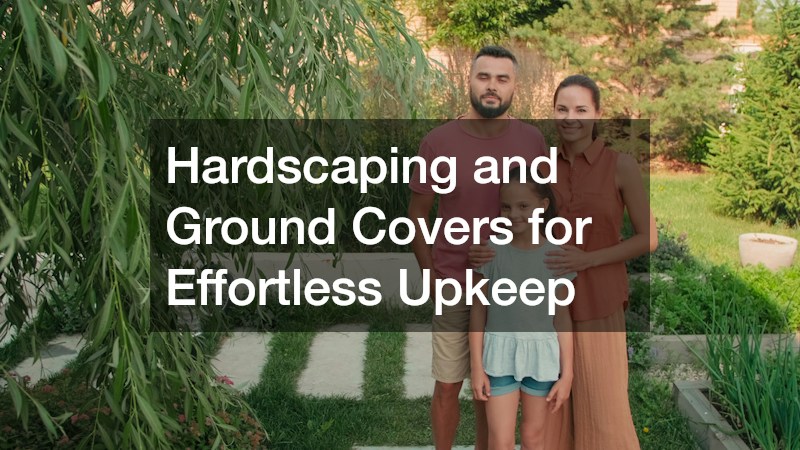
The foundation of any low-maintenance outdoor space begins at ground level. Traditional natural grass lawns demand continuous attention, including weekly mowing, seasonal fertilization, core aeration, weed control, and thousands of gallons of water annually. Shifting your design away from high-demand living turf toward permanent, high-performance ground cover is the single most impactful choice you can make to reduce yard work.
Replace Water-Thirsty Turf With High-Tech Synthetic Grass Solutions
Modern artificial turf bears little resemblance to the harsh, bright-green synthetic carpet of decades past. Today’s premium synthetic grasses utilize multi-tonal polyethylene and polypropylene fibers designed to mimic native grass species, complete with realistic thatch layers that mirror natural texture and movement.
To select and execute a long-lasting synthetic lawn installation:
- Evaluate pile height and density: Choose a pile height between 1.25 and 1.75 inches for residential backyards. This range offers a lush, freshly manicured look while maintaining structural memory to resist matting under heavy foot traffic.
- Prioritize high-flow drainage: Select products featuring fully permeable, non-rubber backing layers that allow water and pet urine to pass through at rates exceeding 30 inches per hour per square yard. This eliminates standing water, mud, and odor accumulation.
- Select the right infill material: Avoid crumb rubber in favor of acrylic-coated silica sand or specialized cooling infills. These materials help keep surface temperatures up to 30 degrees cooler on hot summer days while holding the turf blades upright.
Working with an experienced artificial turf company ensures that the sub-base is excavated properly, layered with crushed aggregate, compacted, and secured along every edge to prevent weed breakthrough or unsightly bubbling over time.
Design Cracking-Resistant, Low-Maintenance Hardscape Transitions
While individual small-unit pavers look classic, the joints between them are prime real estate for windblown weed seeds and anthills, requiring frequent power washing and polymeric sand re-application. Modern hardscaping favors large-format continuous surfaces or engineered concrete slabs that minimize joints.
- Large-format architectural slabs: Utilizing 24×24-inch or 24×36-inch concrete pavers reduces joint lines by up to 75% compared to standard brick-sized pavers, drastically cutting down on weed growth points.
- Stamped and decorative concrete: Monolithic concrete installations can be stamped and colored to emulate natural slate, flagstone, or travertine. Because the surface is continuous, weeds cannot penetrate from below.
- Penetrating sealers: Protect your investment by having a qualified driveway contractor apply a silane-siloxane penetrating sealer. Unlike surface coatings that peel, penetrating sealers absorb deep into the concrete’s pores to repel oil, prevent water intrusion, and eliminate freeze-thaw spalling without creating a slippery finish.
Low-Upkeep Outdoor Living Platforms and Enclosures

Once ground-level cover is established, focus shifts to elevating your primary entertaining and relaxation zones. Traditional wood decks and unmulched soil beds are major sources of ongoing physical maintenance. By specifying capped composite materials and implementing intelligent bed barriers, your outdoor living platform will look brand new for decades.
Upgrade to Capped Composite Materials for Decking and Pergolas
Natural pressure-treated lumber or cedar decks demand an exhausting cycle of cleaning, sanding, staining, and sealing every 12 to 18 months. Without this intervention, natural wood warps, splinters, and rots under constant exposure to UV rays and rain.
Capped composite and cellular PVC decking materials have revolutionized outdoor construction by encasing recycled wood fiber cores in an impenetrable polymer shell.
- Specify capped polymer outer shells: Look for decking boards featuring 360-degree protective polymer capping, which extends into the board’s hidden attachment grooves. This prevents moisture absorption, mold growth, and deep scratching from patio furniture or dog claws.
- Utilize hidden fastener systems: Instead of driving screws through the top face of the board (which creates micro-tears where water can pool), hire skilled deck contractors who install hidden clips inside the side grooves. This results in a sleek, screw-free surface that is smooth on bare feet and easy to sweep clean.
- Opt for aluminum or vinyl pergolas: Replicate the shade of a traditional wooden pergola without the painting hassle by choosing powder-coated aluminum or thick-walled vinyl structural frameworks that will never twist, rust, or suffer termite damage.
Incorporate Low-Maintenance Landscape Beds and Moisture Retention
Garden beds provide vital color and structural contrast against hardscapes, but unmanaged soil quickly becomes a haven for weeds and erosion.
Building an automated, low-weed garden bed requires a layered defense:
- Lay heavy-duty non-woven geotextile fabric: Avoid thin, woven plastic weed barriers that tear easily. Install commercial-grade, non-woven needle-punched geotextile fabric (at least 4 ounces per square yard) over bare soil before planting to block weeds while allowing air and water to freely hydrate root systems.
- Apply a three-Inch shredded hardwood layer: Organic mulch breaks down, enriching the soil while suppressing weed germination. Utilizing professional mulching services ensures an even three-inch depth across all beds, blocking sunlight from weed seeds and insulating plant roots against drought.
- Run sub-mulch drip irrigation lines: Route flexible drip tubing beneath the fabric layer directly to plant base zones. Micro-drip systems deliver water straight to root systems without wetting leaves or spraying onto adjacent hardscapes, reducing fungal diseases and cutting water evaporation by up to 50%.
All-Weather Comfort and Climate Control in Outdoor Zones
Creating a picturesque outdoor space is only meaningful if the environment remains comfortable to use throughout changing seasons. Extending the usability of covered patios, three-season rooms, and sunrooms requires modern temperature management and secure hearth environments.
Install Zoned Heat and Ductless Cooling for Enclosed Patios and Sunrooms
Sunrooms, insulated patio enclosures, and glassed-in lanais are fantastic bridges between indoor comfort and outdoor views. However, because these structures feature high proportions of glass and limited wall insulation, traditional central HVAC systems struggle to regulate their temperatures effectively.
Ductless mini-split heat pump systems provide an exceptionally quiet, efficient, and low-visibility solution for heating and cooling non-standard living zones.
- Calculate Solar Heat Gain Factor: When sizing a mini-split system for a glass enclosure, increase the system’s baseline BTU capacity by 20% to 30% to handle peak afternoon solar heat loading.
- Opt for Multi-Zone Inverter Compressors: Modern variable-speed inverter compressors adjust their output continuously rather than cycling abruptly on and off. This maintains consistent indoor humidity and temperature levels while consuming a fraction of the electricity required by standard window units or space heaters.
- Set Up Smart Remote Management: Integrating Wi-Fi-enabled wall controllers allows you to pre-cool or pre-heat enclosed outdoor spaces remotely from a smartphone, ensuring the room is comfortable the moment you step outside.
Scheduling regular mini split air conditioning service keeps the unit’s ultra-fine air filters clean and prevents condensate drain line clogs, protecting your enclosed patio from unexpected water drips or reduced airflow.
Maintain Safe Fire Features and Masonry Structures
A outdoor fireplace, custom fire pit, or wood-fired pizza oven serves as a natural visual anchor for evening entertaining. However, burning wood generates soot, ash, and creosote that accumulate inside flues, creating fire hazards and staining surrounding stone.
To keep custom hearth features safe and clean:
- Clear Ash and Carbon Deposits: Remove residual wood ash promptly after fires cool. Ash absorbs moisture from rain and humidity, creating corrosive lye that attacks metal grates and brick mortar.
- Inspect the Chimney Flue Annually: Hire a specialist to handle professional chimney cleaning at least once a year. A certified technician removes dangerous creosote glaze, checks ceramic flue liners for thermal cracks, and verifies that the stainless steel spark arrestor cap is free of debris.
- Waterproof Exterior Masonry: Apply a breathable, clear masonry sealer to the exterior face of brick or stone fireplaces every three years. This prevents rainwater from penetrating the porous mortar joints, which can freeze and crack during cold spells.
Advanced Drainage and Moisture Control Systems
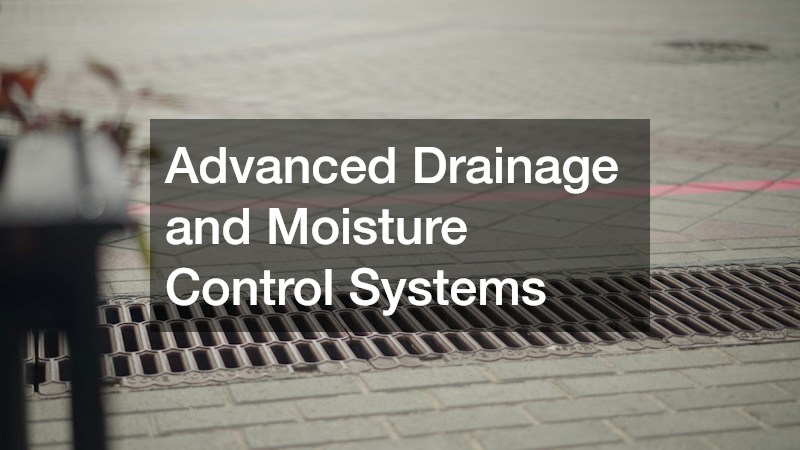
Uncontrolled rainwater is the primary enemy of exterior property longevity. Water pooling against foundation walls, cascading over rooflines, or saturating low-lying patio zones causes widespread structural damage, soil erosion, and mold growth. Installing concealed, high-capacity drainage systems ensures your low-maintenance sanctuary stays dry and stable.
Implement Invisible Surface and Subsurface Water Diversion
A picturesque yard can quickly turn into a swampy mess if rainwater has no clear escape route. Instead of digging unsightly open ditches or letting water stand on hardscapes, modern landscapes utilize hidden subsurface drainage networks.
- Install French Drains for Saturated Lawns: A French drain consists of a perforated pipe encased in a filter fabric sleeve, buried within a trench backfilled with washed river rock. Placed along fence lines or surrounding synthetic lawn perimeters, it captures rising groundwater and redirects it away from living zones.
- Incorporate Catch Basins under Downspouts: Route downspout runoff into heavy-duty plastic catch basins buried directly beneath roof drop points. These basins capture leaves and roof grit in a removable basket while channeling clean water into smooth PVC subterranean pipes.
- Maintain Smooth Drainage Lines: Corrugated, flexible black drainage pipe collects debris in its ridges, leading to stubborn clogs from tree roots and silt. Specify smooth-walled SDR 35 PVC pipe underground, and schedule routine drain cleaning services to clear out accumulated sediment before heavy seasonal storms hit.
Shield the Roofline to Prevent Foundation Overflow and Fascia Rot
Your roof collects thousands of gallons of water during a single rainstorm. Without a properly functioning gutter and roofline system, that deluge cascades directly down exterior walls, washing out garden beds, rotting wooden fascia, and leaking into basements.
Critical steps to secure your roofline drainage include:
- Upgrade to 6-Inch Seamless Aluminum Gutters: Standard 5-inch residential gutters often overflow during torrential downpours. Upgrading to custom-extruded 6-inch K-style seamless aluminum gutters increases water-carrying capacity by nearly 40%, preventing roofline spills.
- Verify Pitch and Drip Edges: Ensure gutters maintain a continuous slope of at least 1/4 inch for every 10 feet of run toward downspouts. Confirm that metal drip edge flashing installed beneath shingles extends into the gutter trough so water cannot travel backward onto the fascia.
- Inspect the Entire System Seasonally: Partner with licensed roofing contractors to perform annual multi-point roof inspections. Professionals inspect flashing around chimneys, valley seals, and gutter attachment hangers to catch subtle roofline issues before they cause structural leaks.
Precision Cleaning Routines for Modern Exterior Surfaces
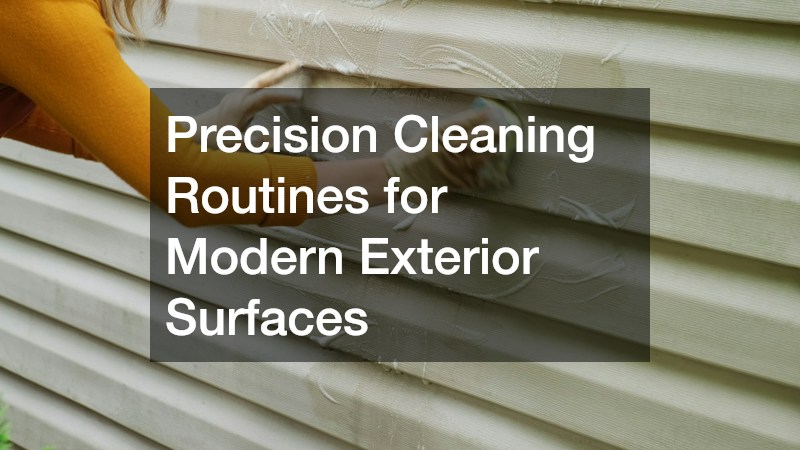
Even the most thoughtfully engineered, low-maintenance outdoor materials collect environmental dust, pollen, bird droppings, and algae over time. Rather than spending weekends scrubbing surfaces by hand with harsh household chemicals, establish a scheduled, non-destructive restoration routine using specialized equipment and surface treatments.
Utilize Soft-Wash Methods to Safely Refresh Hardscapes and Siding
High-pressure water blasting can strip the finish off composite decking, etch concrete, erode mortar, and force water behind vinyl siding panels. Modern exterior cleaning relies on “soft-washing”—a technique that combines high-volume, low-pressure water flow with eco-friendly chemical surfactants.
Key principles of safe exterior cleaning:
- Apply Biodegradable Algaecides: Organic green or black staining on siding, brick, and stone is usually living mold or algae. Applying specialized sodium hypochlorite and surfactant mixtures neutralizes these organisms at the root level, allowing them to be rinsed away effortlessly without blasting the material.
- Use Rotary Surface Cleaning Tools: For large flat hardscapes like concrete driveways or stone patios, professional power washing companies utilize rotating surface cleaning disks rather than single wand tips. This distributes water evenly, preventing unsightly wand streaks and cleaning large areas up to four times faster.
- Protect Sensitive Plantings: Prior to applying any cleaning agent to siding or hardscapes, thoroughly saturate surrounding plants and turf with fresh water. Pre-wetting leaves prevents them from absorbing overspray, keeping your landscaping safe during cleaning.
Maximize Natural Light and Reflection with Hydrophobic Glass Coatings
Large sliding glass doors, sunroom panels, glass deck railings, and exterior windows connect your indoor space to your picturesque backyard. However, hard water spots, mineral runoff, and pollen quickly cloud glass, obscuring views and creating an untidy appearance.
- Purified water-fed pole cleaning: Professional technicians use multi-stage filtration systems (combining reverse osmosis and deionization) to strip tap water of dissolved minerals. When applied through water-fed poles, this pure water dissolves grime and dries completely spot-free without requiring towel drying.
- Apply hydrophobic surface sealants: After deep cleaning, treat exterior glass with a hydrophobic silica-based (SiO2) or fluoropolymer sealant. These coatings fill microscopic glass pores, causing rainwater to bead up and roll off instantly, carrying surface dust away with it.
- Schedule biannual service: Engaging a certified window cleaning service twice a year—typically in late spring and early autumn—keeps your window glass sparkling while extending the life of rubber seals and window tracks.
Building a modern, low-maintenance outdoor space isn’t about eliminating outdoor care entirely; it’s about making smart design decisions and selecting high-performance materials that drastically reduce ongoing work. By replacing high-maintenance lawns, sealing surfaces, managing water runoff, and automating climate control, you convert a high-effort yard into an effortless home retreat. With the right infrastructure in place, your backyard will remain a picturesque, welcoming sanctuary—leaving you with nothing left to do except sit back, relax, and enjoy the view.